How Technology Reshapes Power Dynamics in Everyday Life
Technology is no longer a background tool. It actively shapes who holds power, who influences decisions, and who gets heard in daily life. From smartphones and social platforms to algorithms and data systems, tech quietly reorders social, economic, and political relationships—often without people realizing it.
This shift is not abstract. It plays out in homes, workplaces, schools, and public spaces, redefining authority, autonomy, and access.
The Subtle Shift from Human Authority to Digital Systems
Power once rested largely with institutions and individuals—governments, managers, educators, and experts. Today, much of that authority is mediated by technology.
Algorithmic Decision-Making
Algorithms now influence decisions that were once deeply human:
-
What content people see online
-
Which job applications get reviewed
-
How creditworthiness is assessed
-
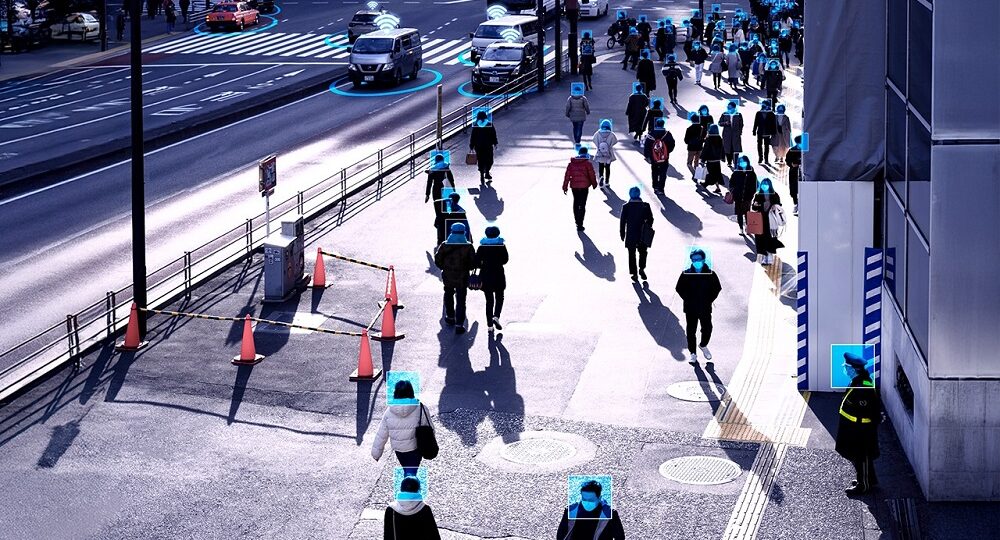
Who gets flagged for security checks
While these systems promise efficiency, they also concentrate power in the hands of those who design, own, and control the algorithms.
Key implication: Authority becomes less visible, harder to challenge, and often unaccountable.
Data as a New Source of Power
In everyday life, personal data functions as a form of currency. The ability to collect, analyze, and monetize data gives tech companies unprecedented leverage.
Who Benefits Most from Data Flows?
-
Corporations gain insights into behavior at massive scale
-
Governments enhance monitoring and predictive capabilities
-
Individuals often trade privacy for convenience
This creates an imbalance where users generate value, but rarely control how that value is used.
Power shift: Those who interpret data gain influence over those who produce it—often unknowingly.
Social Media and the Redistribution of Voice
Social platforms appear to democratize expression, but they also reshape influence in uneven ways.
Amplification vs. Visibility Control
-
Anyone can publish content instantly
-
Algorithms determine what gains reach and traction
-
Viral attention can outweigh expertise
As a result, power moves away from traditional gatekeepers like editors and broadcasters, but toward platform rules and engagement metrics.
Everyday effect: Visibility becomes a form of power, yet it is controlled by systems most users cannot see or influence.
Workplace Power in the Age of Digital Tools
Technology has transformed how work is monitored, evaluated, and rewarded.
From Supervision to Surveillance
Modern workplaces increasingly rely on:
-
Productivity tracking software
-
Performance dashboards
-
Automated scheduling and task allocation
While framed as optimization, these tools can reduce worker autonomy and reinforce top-down control.
Result: Power shifts from human managers to data-driven systems, often leaving employees with less room for negotiation.
Smart Technology and Domestic Power Dynamics
Power shifts are not limited to public spaces. They extend into homes through smart devices.
Convenience with Control Trade-Offs
Smart assistants, security systems, and connected appliances offer ease, but they also:
-
Collect continuous streams of personal data
-
Centralize control through apps and platforms
-
Depend on external companies for functionality
This blurs the line between private and monitored spaces, subtly reshaping who holds control within everyday domestic life.
Access Gaps and Digital Inequality
Technology does not distribute power evenly. Access to tools, skills, and connectivity determines who can fully participate.
Unequal Starting Points
-
Reliable internet access remains inconsistent
-
Digital literacy varies widely
-
Advanced tools favor wealthier individuals and regions
Those without access face reduced economic opportunity, limited political voice, and fewer ways to challenge dominant narratives.
Long-term impact: Power concentrates where technology and skills overlap.
Resistance, Adaptation, and New Forms of Agency
Despite these shifts, people are not powerless. Everyday users find ways to adapt and push back.
Emerging Forms of Digital Agency
-
Online communities organizing collective action
-
Independent creators building direct audiences
-
Increased awareness of privacy and data rights
While tech reshapes power, it also creates new spaces for resistance and renegotiation, especially when users understand the systems they engage with.
The Bigger Picture
Technology does not simply add convenience to daily life. It restructures relationships, redistributes influence, and redefines authority. These changes often happen quietly, embedded in tools people rely on every day.
Understanding how tech reshapes power is the first step toward using it more consciously—and ensuring it serves human interests rather than quietly overriding them.
Frequently Asked Questions (FAQs)
How does technology change power without people noticing?
Many digital systems operate in the background, making decisions automatically. Because they feel seamless, their influence often goes unquestioned.
Is technology itself responsible for power imbalances?
Technology is not neutral, but power imbalances arise from how it is designed, deployed, and governed, not from the tools alone.
Can individuals realistically challenge tech-driven power structures?
Yes, but it often requires collective action, digital literacy, and policy engagement rather than individual effort alone.
Do algorithms always reinforce existing inequalities?
Not always, but without careful design and oversight, they tend to reflect and amplify existing social biases.
How does everyday technology affect political power?
Digital platforms shape political discourse by controlling visibility, influencing public opinion, and enabling targeted messaging.
What role does education play in balancing tech power?
Digital literacy empowers people to understand systems, question outcomes, and make informed choices about technology use.
Will future technology increase or reduce power inequality?
It can do either. Outcomes depend on regulation, transparency, and whether societies prioritize fairness alongside innovation.